 SOLHUN
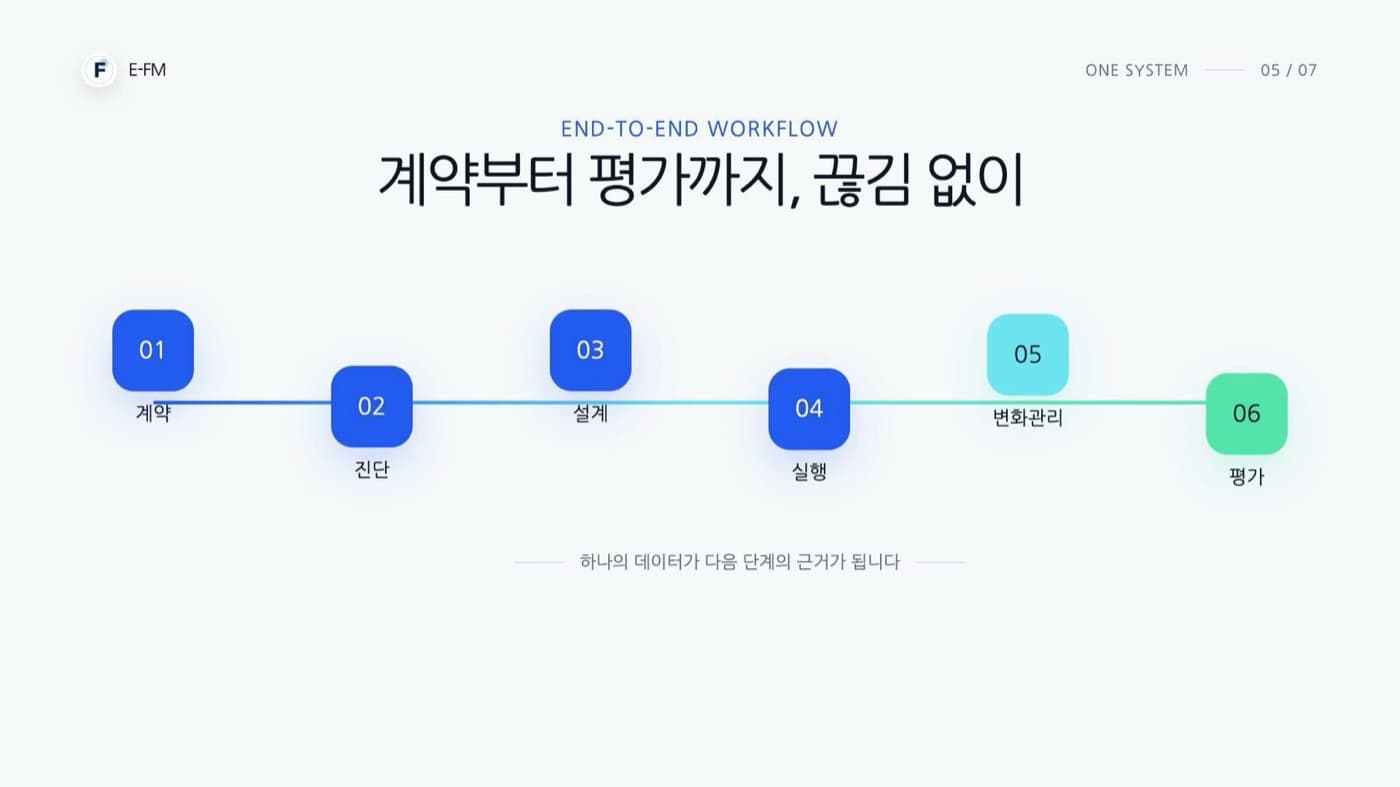
A labor law firm’s whole consulting process — diagnose, design, execute, manage change, evaluate — turned into an ERP
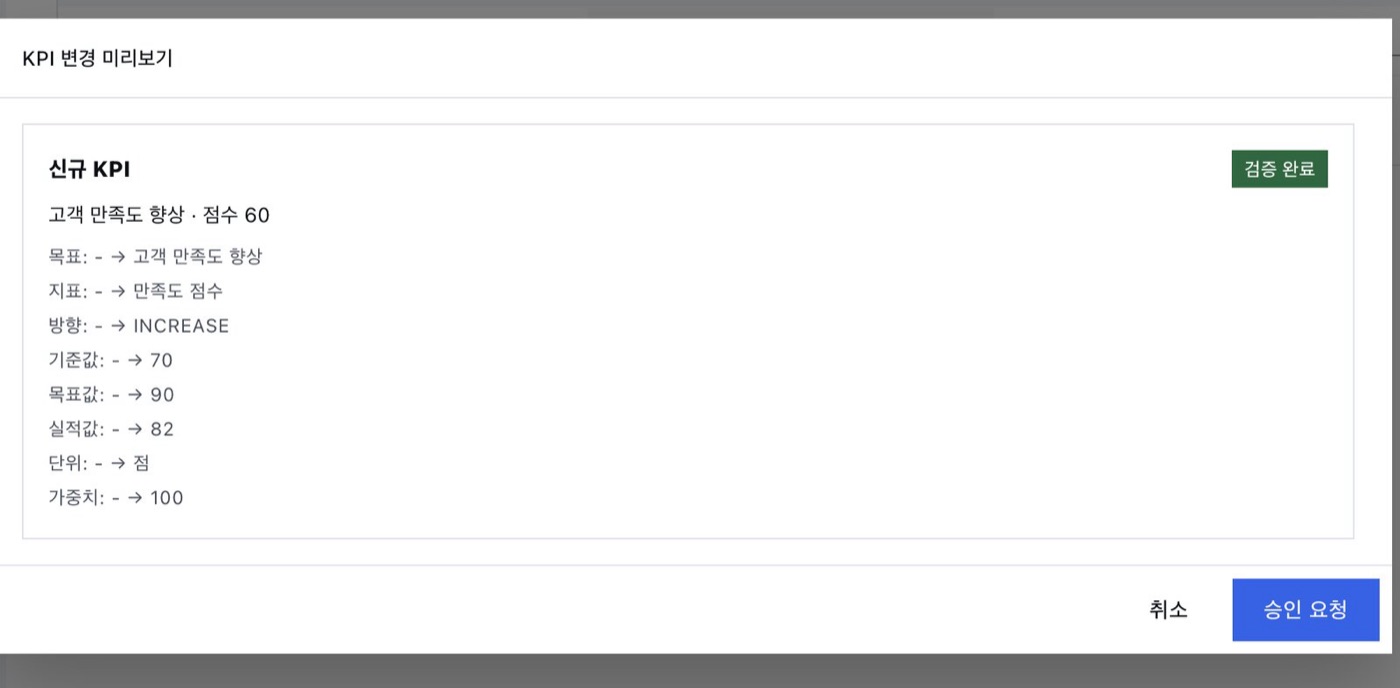
I worked with the labor attorneys as if we were one team. We moved checklist-and-document manual work into software and built AI into the consulting process (AX). Statutes the AI cites are checked against the government’s official law database.
What I learned
Working solo means building in the user’s view
Writing the user guide exposed gaps in the screens, and making the product video forced me to say in one sentence whose work this product reduces, and how.
My part
- 1
Planning
After the contract I did the requirements analysis, the functional spec (v2–v2.2) and the diagnostic checklist myself.
- 2
Build · run
I built the CRM, the public site and the staff app, and I still run all three.
- 3
Handoff
I organized the design system for handoff and made the user guides, the intro video and the card news.
Specials — what I changed
- 1
Everything around the code
BeforeOutsourced development usually covers the build only
AfterContract (Mar 8) → feature spec v2–v2.2 (Apr 13–17) → admin and advisor guides (May 17–26) → design system handoff (Jun 8) → proposal, product video and card news (Jul–Sep), all done by me.
- 2
Screens for each role
BeforeEveryone saw the same data on the same screen
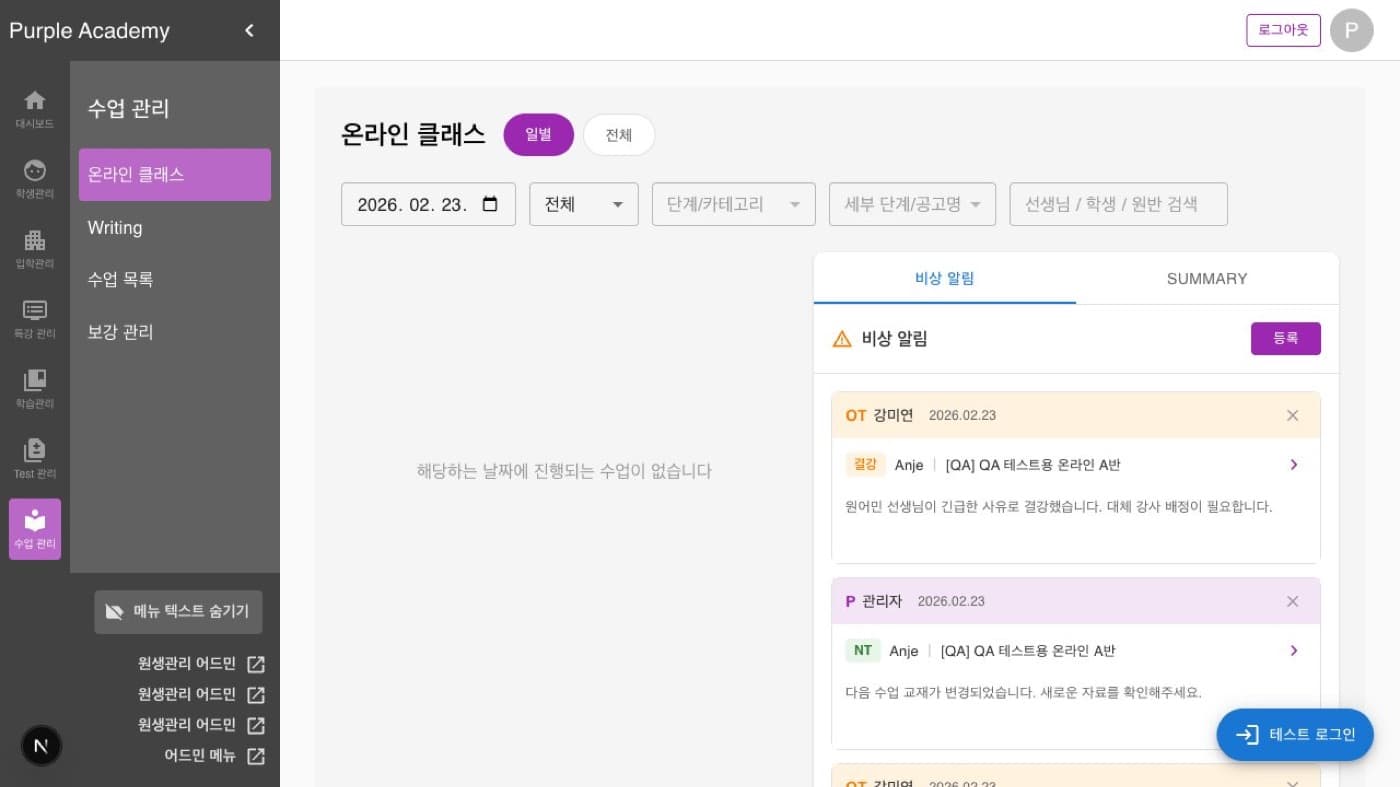
AfterCEO, executives, advisors, case handlers and staff each see different data and screens; I designed that and walked the attorneys through it.
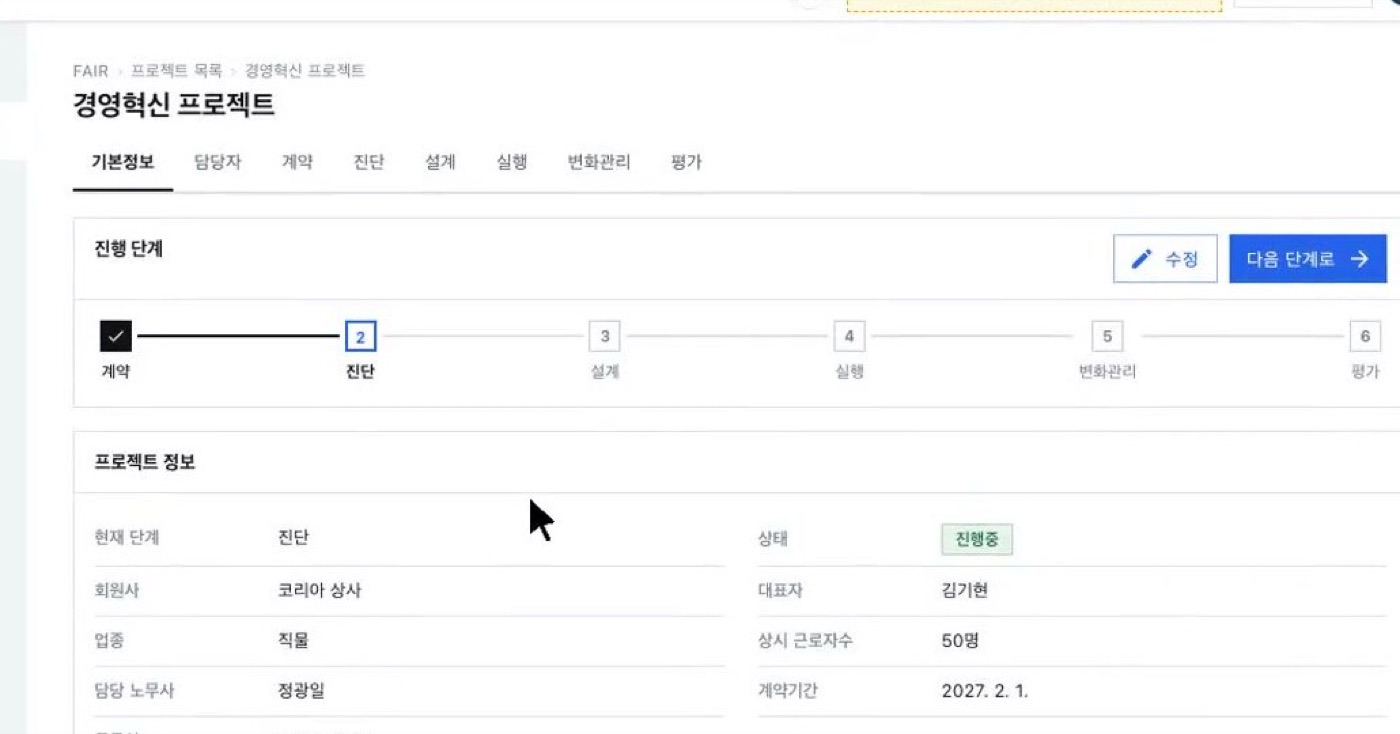
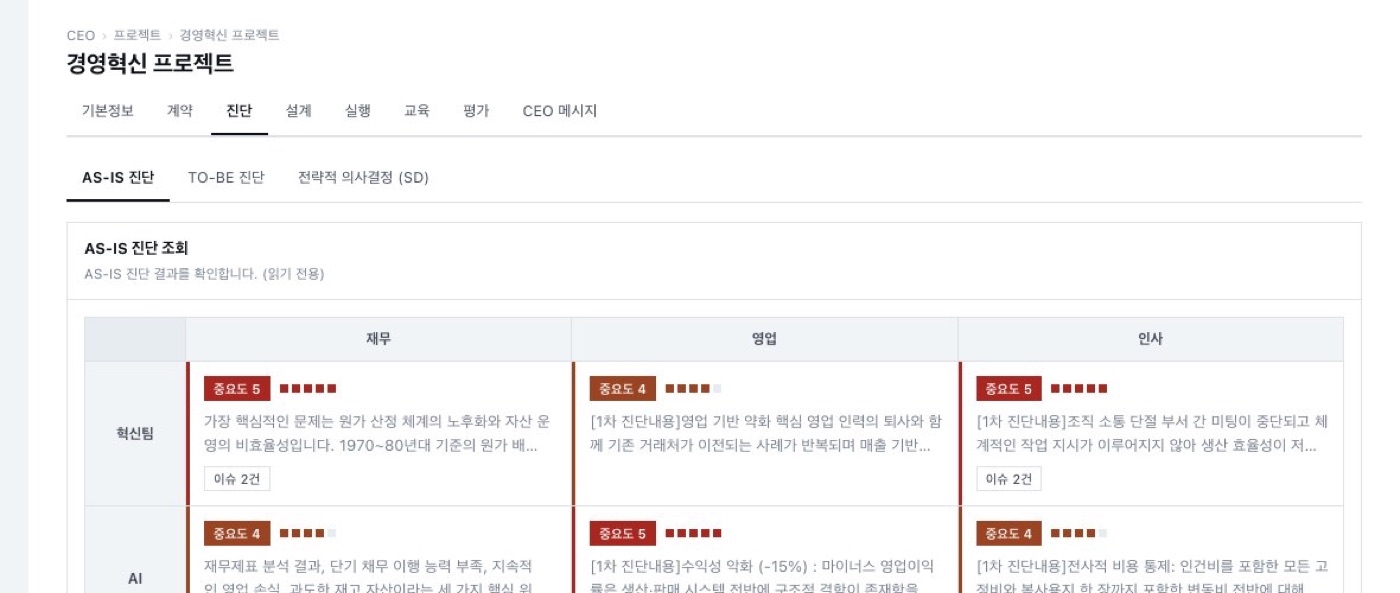

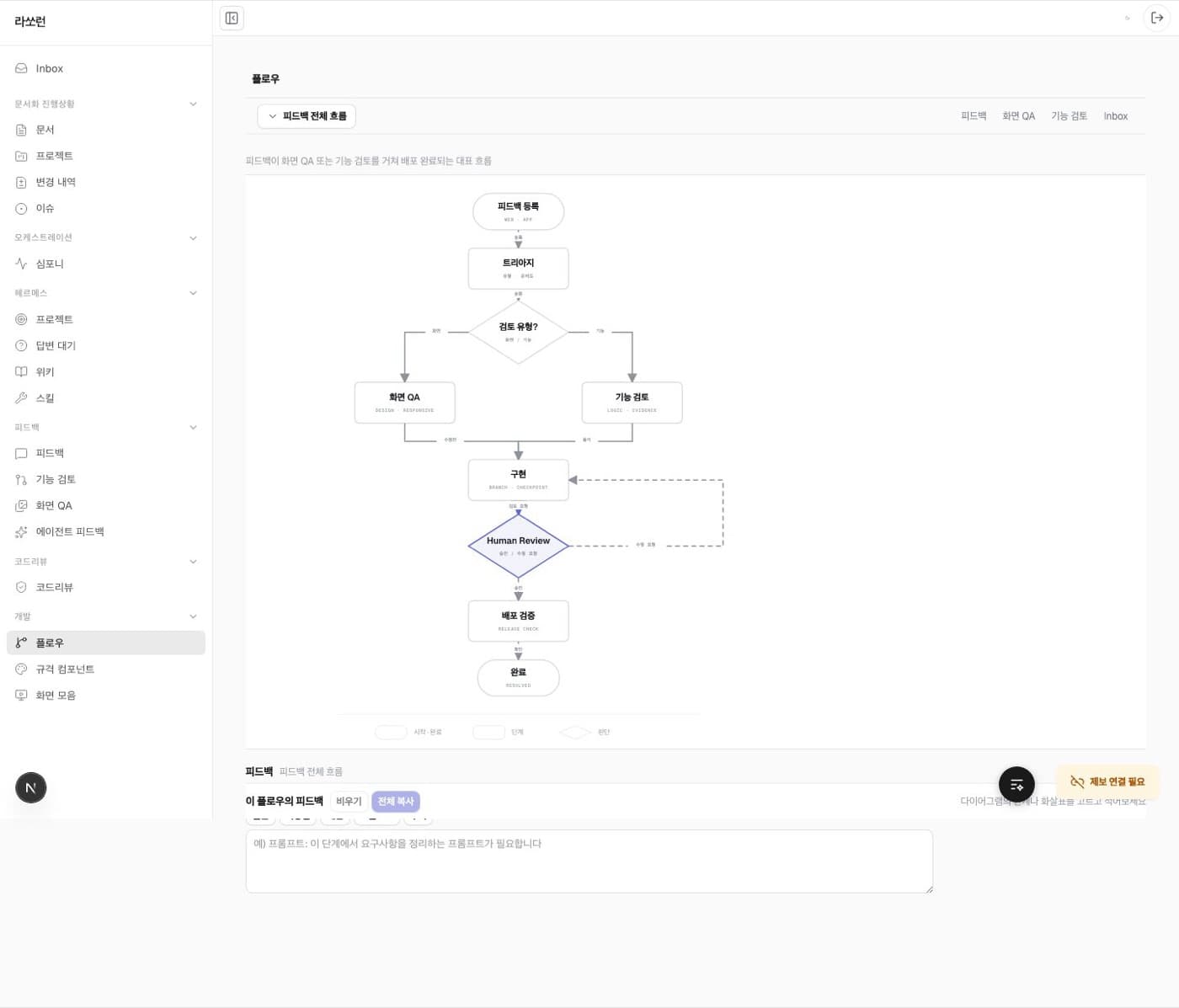
About FAIR HR consulting CRM/ERP
- When
- Feb 2026 – present
- Role
- Planning, development and operations
- Apps
- CRM · public site · staff app
- With
- Labor attorneys · users in each role